
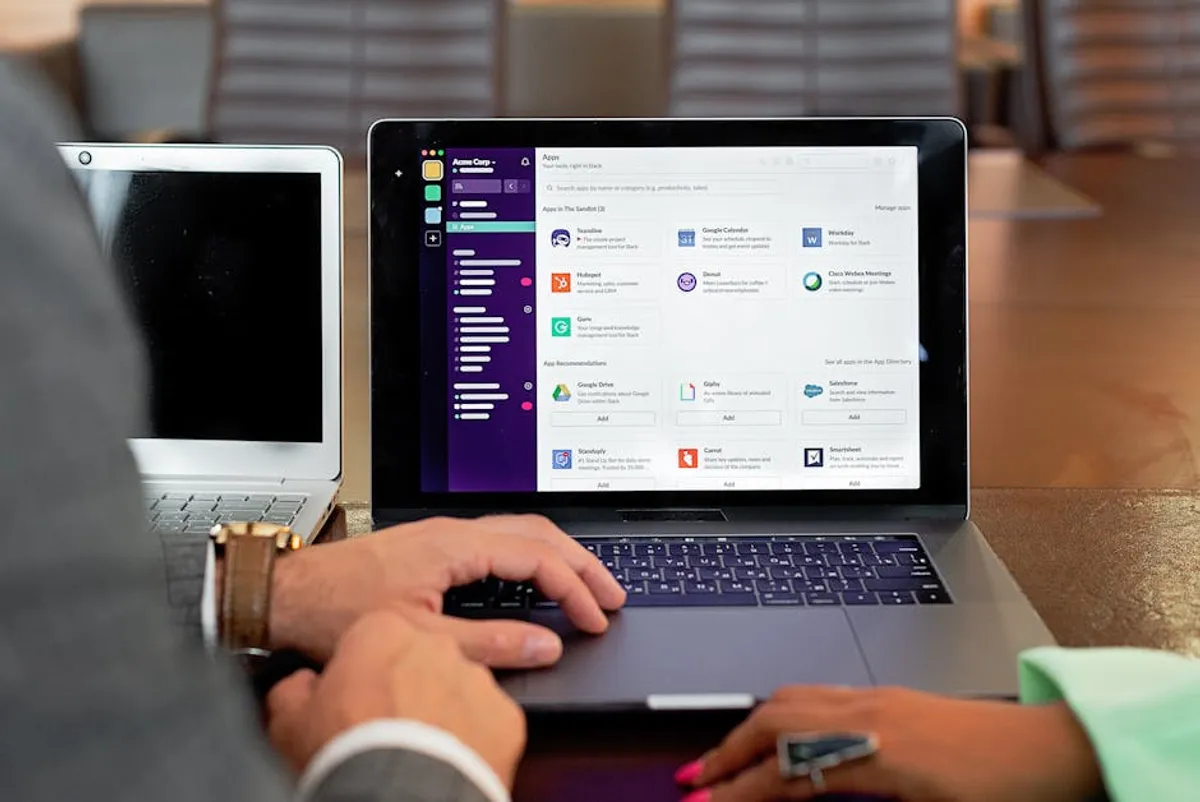
Selecting new software for an organization involves more than comparing feature lists. For tech buyers, a structured evaluation process is critical to ensure the chosen solution aligns with strategic objectives, integrates seamlessly with existing infrastructure, and delivers measurable ROI. Without a methodical approach, companies risk significant financial outlay, operational disruption, and the adoption of tools that fail to meet core business needs.
Defining Core Requirements
Before engaging with vendors, establish a clear understanding of what the software must achieve. This foundational step prevents scope creep and ensures all evaluations are anchored to tangible business value.
Business Objectives Alignment
Identify the specific problems the software is intended to solve and how its implementation will support broader organizational goals. This goes beyond technical specifications to quantifiable outcomes.
- Problem Identification: Clearly articulate the pain points or inefficiencies the current process exhibits. For example, "Current CRM lacks granular reporting on lead source attribution, hindering marketing budget optimization."
- Key Performance Indicators (KPIs): Define how success will be measured. Examples include reducing operational costs by 15%, increasing sales conversion rates by 5%, or improving customer satisfaction scores by 10 points.
- Strategic Impact: Understand how the software contributes to competitive advantage, market expansion, or new service offerings.
Technical Specifications and Integration
Compatibility with your existing technology stack is non-negotiable. A powerful standalone tool that cannot communicate with your primary systems creates more problems than it solves.
Integration Needs: Document all systems the new software must interact with (e.g., ERP, CRM, marketing automation, data warehouses). Specify required APIs, data formats, and synchronization frequencies.
Scalability Requirements: Project future growth in user count, data volume, and transaction load. The software must accommodate anticipated expansion without requiring a complete overhaul in 1-3 years.
Infrastructure Compatibility: Determine if the software is cloud-based (SaaS), on-premise, or hybrid. Assess its compatibility with your operating systems, databases, and network architecture.
User Experience (UX) and Adoption Needs
Even the most feature-rich software fails if employees resist using it. Focus on the end-user experience to drive adoption and productivity.
User Roles and Permissions: Map out different user types (e.g., administrators, power users, basic users) and their specific access requirements and workflows.
Ease of Use: Prioritize intuitive interfaces, minimal learning curves, and streamlined workflows. Seek feedback from potential end-users during trials.
Accessibility: Ensure the software meets relevant accessibility standards (e.g., WCAG) if your user base or regulatory environment requires it.
Evaluating Vendor Capabilities and Support
The software is only as reliable as the company behind it. A thorough vendor assessment mitigates long-term risks.
Vendor Stability and Product Roadmap
A stable vendor ensures ongoing development, security updates, and long-term support for your investment.
Financial Health: Research the vendor's funding, profitability, and market position. A financially precarious vendor poses a risk to continuous product development.
Product Vision: Request the vendor's product roadmap. This reveals their commitment to innovation and how future features align with your evolving needs.
Industry Reputation: Consult independent reviews, industry analysts, and existing customer references to gauge reliability and customer satisfaction.
Support Infrastructure and Service Level Agreements (SLAs)
Effective support minimizes downtime and accelerates problem resolution.
Support Channels: Identify available support options (e.g., phone, email, chat, dedicated account manager) and their availability (24/7, business hours).
Response and Resolution Times: Scrutinize SLAs for guaranteed response and resolution times for different severity levels of issues. Understand the escalation process.
Self-Service Resources: Evaluate the quality and comprehensiveness of knowledge bases, FAQs, and community forums for independent problem-solving.
Training and Documentation
Proper training facilitates user adoption and maximizes the software's utility.
Onboarding Programs: Inquire about initial setup assistance, guided tours, and formal training sessions for new users.
Documentation Quality: Assess the clarity, accuracy, and currency of user manuals, API documentation, and technical guides.
Ongoing Education: Determine if the vendor offers webinars, certifications, or advanced training for power users as the product evolves.
Assessing Security, Compliance, and Data Management
Data security and regulatory compliance are paramount for protecting sensitive information and avoiding legal repercussions.
Data Protection Protocols
Understand how your data will be secured both in transit and at rest.
Encryption Standards: Verify the use of industry-standard encryption for data transmission (TLS 1.2+) and storage (AES-256).
Access Controls: Investigate user authentication methods (MFA, SSO), role-based access controls, and audit logging capabilities.
Incident Response: Ask about the vendor's data breach notification policy and incident response plan.
Regulatory Compliance
Ensure the software adheres to all relevant industry and geographical regulations.
Industry Certifications: Confirm compliance with standards like SOC 2 Type II, ISO 27001, HIPAA, GDPR, CCPA, or other sector-specific requirements.
Data Residency: If applicable, verify where your data will be stored and processed to meet data sovereignty laws.
Data Portability and Exit Strategy
Plan for potential future transitions to avoid vendor lock-in.
Data Export Capabilities: Confirm the ability to export all your data in a usable, open format (e.g., CSV, JSON, XML) without proprietary tools.
Contractual Offboarding: Review contract clauses related to data return and deletion upon termination of services.
Unpacking the Total Cost of Ownership (TCO)
The sticker price is rarely the full cost. A comprehensive TCO analysis reveals the true financial commitment.
Licensing and Subscription Models
Understand the pricing structure thoroughly to avoid unexpected costs.
Pricing Tiers: Clarify what features are included in each tier and how user counts, data volume, or usage metrics impact pricing.
Contract Terms: Review minimum contract durations, auto-renewal clauses, and cancellation policies.
Payment Schedules: Understand billing cycles (monthly, annually) and available payment methods.
Implementation and Customization Costs
Initial setup and tailoring can significantly inflate the overall investment.
Professional Services: Account for costs associated with onboarding, data migration, system configuration, and custom development.
Integration Development: Budget for internal or external developer time if custom integrations are required.
Ongoing Maintenance and Hidden Fees
Factor in recurring costs beyond the base subscription.
Upgrade Costs: Determine if major version upgrades are included or require additional purchases.
Support Tiers: Understand if premium support, faster SLAs, or dedicated account management incur extra charges.
Add-ons and Modules: Identify any essential features that are sold as separate modules or integrations.
Practical Review Steps
A systematic evaluation process ensures all critical aspects are covered before a final decision.
- Vendor Demos: Request personalized demonstrations focusing on your specific use cases and technical requirements. Prepare a script of key tasks for the vendor to perform.
- Free Trials/POCs: Conduct a proof-of-concept (POC) or extended free trial with real data and a representative group of users. This validates functionality and user experience in your environment.
- Reference Checks: Speak with at least three existing customers of similar size and industry. Ask specific questions about implementation challenges, support quality, and actual ROI.
- Security Audit: If dealing with highly sensitive data, consider a third-party security audit of the proposed software and vendor practices.
- Legal Review: Have your legal team review the contract, SLAs, and data processing agreements thoroughly.
Pro Tip: Prioritize your "must-have" features and requirements versus "nice-to-have" items. No software will perfectly match every desire, so knowing your non-negotiables upfront streamlines the evaluation and negotiation process.
Implementing Your Software Selection Strategy
A robust software selection process minimizes risk and maximizes the likelihood of a successful deployment. By meticulously defining requirements, scrutinizing vendor capabilities, assessing security and compliance, and analyzing the total cost of ownership, tech buyers can make informed decisions that drive long-term value for their organizations. This structured approach moves beyond superficial comparisons to a strategic investment in the right technological foundation.
Frequently Asked Questions
What is the most critical step in a software review checklist?
Defining your core business objectives and technical requirements is the most critical step. Without a clear understanding of the problem you're solving and how success will be measured, any software evaluation will lack focus and objective criteria.
How important are vendor references?
Vendor references are highly important. They provide real-world insights into the vendor's reliability, support quality, and the actual implementation experience from other customers, offering a perspective that cannot be gained from demos or marketing materials alone.
Should I always choose the cheapest software option?
No, choosing the cheapest option is often a false economy. The total cost of ownership (TCO) includes not just licensing fees but also implementation, training, support, and potential integration costs. A lower upfront cost may lead to higher long-term expenses or operational inefficiencies.
What is an exit strategy in software procurement?
An exit strategy outlines how your organization can retrieve its data and transition away from a software vendor if necessary. This includes understanding data export capabilities, formats, and contractual terms related to data retrieval and deletion upon contract termination, preventing vendor lock-in.